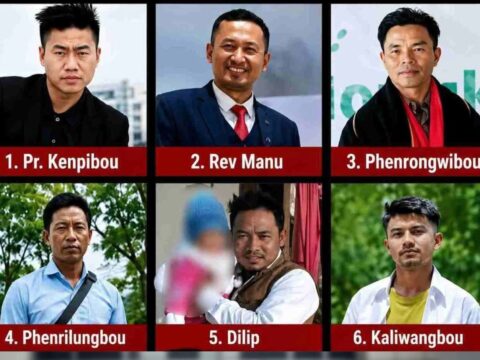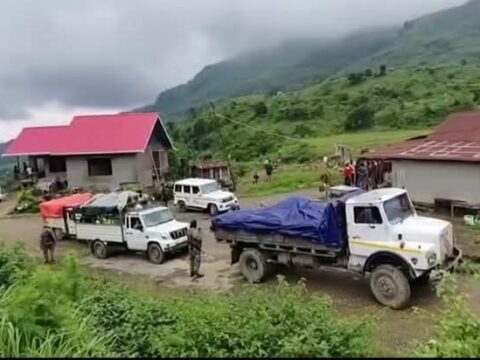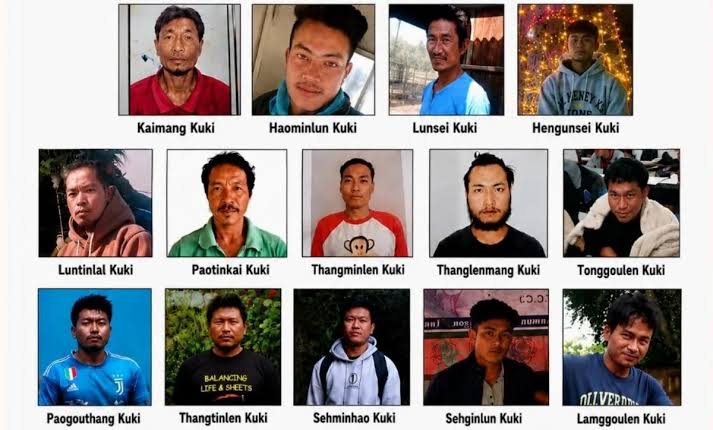
Kangpokpi: The anguished families of 14 detained villagers — 13 from Taphou Kuki village and one from Hengbung village issued a powerful and heart-rending plea for the immediate and safe release of their loved ones, declaring that they speak “not with the language of politics, conflict or adversaries, but with the raw, heartfelt cry of mothers, fathers, wives and children.”
In a signed public appeal, the families said their relatives have remained in custody since May 13, who are innocent civilians with no role in violence, activism, or the wider conflict engulfing the region.
Describing each passing hour as “profound, agonizing torment,” the appeal paints a devastating picture of families trapped in unbearable fear, grief and uncertainty, with mothers, fathers and children praying every day for the survival and return of their loved ones.
“Many may be suffering from failing health, psychological trauma, and severe distress. Every passing hour inflicts profound, agonizing torment on our family,” the statement said, underlining the worsening humanitarian anguish faced by the detainees and their families.
In an extraordinary appeal to shared history and brotherhood, the families invoked generations of peaceful coexistence between Taphou Kuki, Hengbung and the Naga communities of Senapati, stressing that the detained men are “not activists or combatants” and have “absolutely nothing to do with the wider conflict or political storms surrounding us.”
“For generations, our villages have shared a beautiful, unbroken history of peace, mutual respect and brotherhood,” the memorandum stated, making an emotional appeal to conscience over conflict.
With folded hands, the families said they “kneel” in humility and faith, praying for the safe return of those still in custody, while expressing hope that both communities may once again “glorify the living God together as a whole family.”
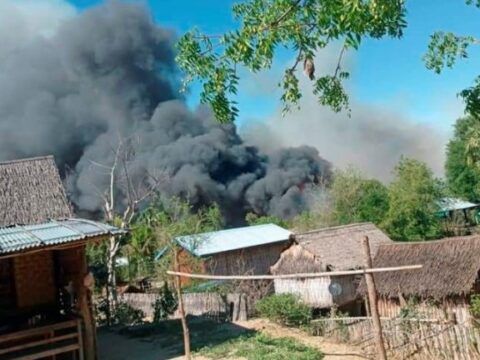
The deeply personal and emotionally devastating appeal, signed by concerned mothers and wives of the detainees, comes amid mounting tensions and growing demands from multiple tribal and civil society bodies for the unconditional release of all innocent civilians caught in the spiral of ethnic hostilities.
As pressure builds, the families’ cry stands as a searing reminder that beyond political narratives and armed tensions lies a far more painful human tragedy — the silent suffering of ordinary families desperate to bring their fathers, sons and husbands home alive.