Lamka: The Kuki Inpi Manipur (KIM), the apex body of the Kuki tribes in Manipur, on Wednesday issued a strongly worded press release rejecting what it described as a “false, misleading and diversionary narrative” advanced by the Working Committee of the Tangkhul Naga Long (TNL) in its recent statement targeting journalist Tony Singsit.
In the statement issued by its Information and Publicity Secretary Janghaolun Haokip today, under the headline “Truth, Accountability and Decency Must Prevail,” the organisation defended Singsit’s professional credibility and accused the TNL leadership of attempting to divert public attention from the core issues surrounding the recent tensions between the Kuki and Tangkhul communities.
KIM stated that Tony Singsit is a “qualified journalist and reporter” who has consistently covered socio-political developments in Northeast India with credibility. The organisation asserted that his reports and public statements are grounded in realities emerging from the ground and accused critics of attempting to suppress “uncomfortable truths” through personal attacks.
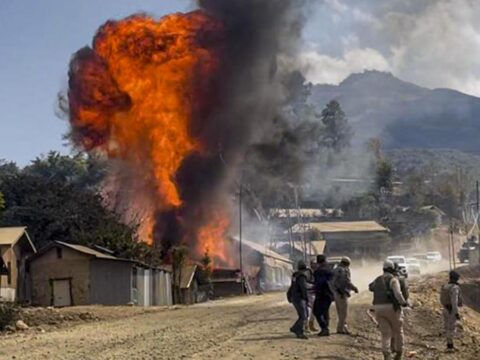
The apex Kuki body further alleged that the TNL statement deliberately avoided addressing what it termed the “core issue” behind the present crisis. According to KIM, the situation originated from a drunken altercation involving individuals from both the Tangkhul and Kuki communities, which later escalated into a larger conflict due to the actions of “sections of Tangkhul leadership and affiliated elements.”
KIM alleged that this escalation became the “root cause” of the current unrest and criticised the TNL for remaining silent on what it described as a “fundamental fact.” The organisation accused the Tangkhul body of instead attempting to shift the discourse toward unrelated land narratives in order to mislead the public and deflect attention away from issues such as violence, deaths, and alleged targeted attacks.
A major portion of the press statement focused on disputing the notion of “exclusive land ownership,” which KIM said had been projected by the TNL. The Kuki body argued that no land belongs exclusively to a single community and maintained that settlement histories in districts such as Ukhrul overlap among different ethnic groups, including Kukis and Tangkhuls.
The statement asserted that Kuki villages operate under a long-established chieftainship system in which land ownership is vested in village chiefs. According to KIM, this customary structure has historically been recognised from the colonial British administration to the present constitutional framework governing Manipur.
KIM further claimed that any attempt to delegitimise this traditional system is both “historically inaccurate and legally untenable.” The organisation also accused the TNL of pursuing a broader strategy aimed at avoiding accountability, distorting facts, and reframing the issue to fit a “predetermined narrative.”
The statement warned that such tactics would only deepen mistrust between communities and obstruct any meaningful path toward peace.
Reiterating its position, the Kuki Inpi stated that “facts cannot be buried under rhetoric” and maintained that the sequence of events, escalation of violence, and alleged targeting of Kuki villages remain documented realities. It also strongly objected to attempts to label Kukis as “refugees” in their ancestral lands, terming such assertions as historically false and dangerous propaganda aimed at ethnic cleansing.
Calling for accountability and responsible public discourse, KIM urged authorities and the public not to be influenced by what it described as diversionary statements. The organisation stressed that peace cannot be built on distortion and that accountability cannot be evaded through propaganda.