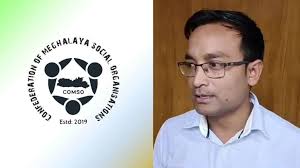
On January 28, the Confederation of Meghalaya Social Organisations (CoMSO) urged the central government to investigate an alleged threat issued in the name of ISIS-K, warning the indigenous Garo community to leave their ancestral land by 2027.
In a memorandum to Prime Minister Narendra Modi, CoMSO chairman Roykupar Synrem called for the “immediate involvement of central counter-terror and intelligence agencies” and a “thorough investigation into the origin, intent, and networks behind the threat.” He also requested enhanced intelligence gathering and visible security deployments in sensitive areas to reassure the public.
Synrem emphasized the need for the “swift arrest and prosecution of all individuals involved under anti-terror and national security laws” and advocated zero tolerance for those “aiding, abetting, or shielding extremist activities.” The memorandum also urged a review of border security, dismantling of radical propaganda networks, and measures to protect indigenous land and demographics.
Describing the threat as a direct challenge to internal security, communal harmony, and indigenous rights, Synrem stressed that invoking a globally recognised terrorist group like ISIS-K “cannot be treated lightly under any circumstance.”
“The Garo people will not vacate their land — in 2027 or at any time,” he asserted, emphasizing that Garo Hills is integral to Meghalaya and India. The organisation expects “immediate, firm, and visible action to safeguard national security, constitutional values, and indigenous rights.”