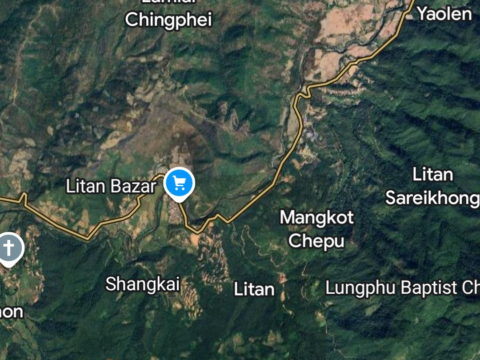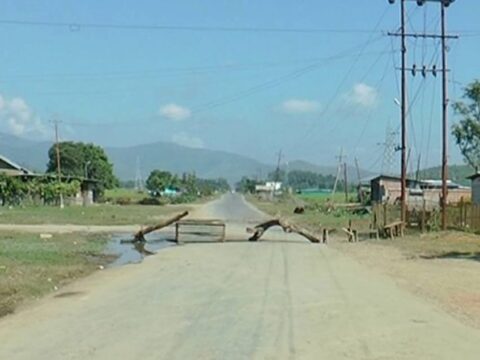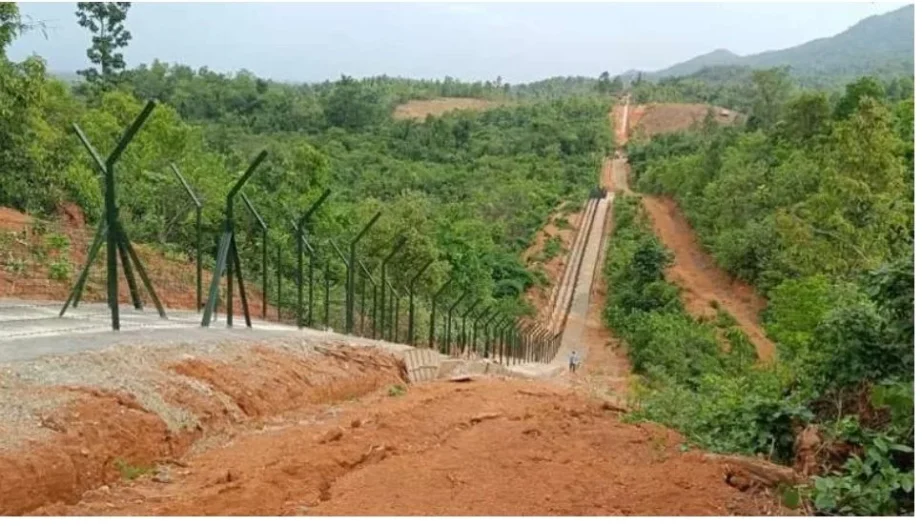
Moreh: The Kuki Chiefs’ Association (KCA), Khengjoi Block, Chandel District, has strongly objected to the proposed Indo-Myanmar Border (IMB) fencing and re-demarcation in the Khengjoi sector, warning that the exercise could displace long-settled indigenous Kuki villages and deprive Indian citizens of their ancestral homes and farmlands. The association has urged the Government of Manipur to intervene immediately and press the Union Government to review the proposed alignment before any work is carried out.
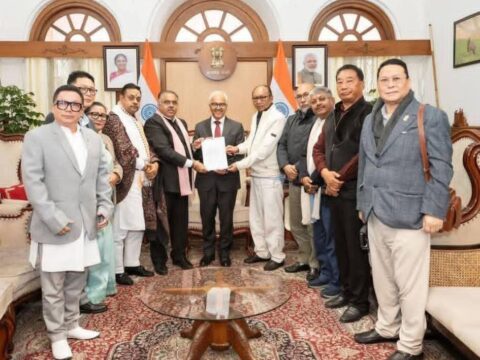
In a memorandum submitted to Chief Minister of Manipur on June 25, the association referred to a communication issued by the Ministry of Home Affairs regarding the proposed border demarcation based on the 2017 boundary proposal prepared by the Ministry of External Affairs.
According to the KCA, the proposal includes the realignment of Boundary Pillars (BPs) 65, 66 and 67 in the Manipur sector within a three-month timeline following a meeting chaired by the Union Home Minister on May 11, 2026.
The association contended that the proposed alignment does not correspond with the existing ground position that has been recognised and occupied by local communities for generations. It alleged that the realignment would place several established Kuki villages, their residential areas and ancestral agricultural lands either directly on the border line or beyond the proposed border fence, effectively separating residents from their own land.
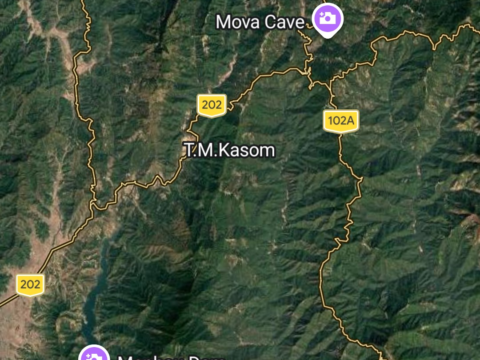
Specifically, the KCA identified villages likely to be affected by the proposed changes. Around BP No. 65, the villages of Molcham and Khengjang are said to face displacement. Around BP No. 66, Phaisenjang and Jangngoulen villages are reportedly at risk, while Khunkot village is identified as the settlement likely to be impacted near BP No. 67. The association stressed that these villages have existed at their present locations for generations and that their inhabitants are bona fide Indian citizens.
The memorandum further stated that the proposed shifting of border pillars and fence alignment would divide villages and cut off substantial portions of residential and farming land from the Indian side of the border. It maintained that the affected lands are not merely private property but include ancestral homesteads, jhum cultivation areas, wet-rice fields, burial grounds and customary community lands that form the basis of the identity, livelihood and cultural heritage of the Kuki-Zo people living in the frontier region.
The association argued that any border demarcation undertaken without proper ground verification and consultation with affected indigenous communities, village chiefs and traditional institutions would be unjust. It pointed out that the 1980 border proposal had contemplated retaining the existing ground positions of the concerned boundary pillars, while alleging that the departures introduced under the 2017 proposal were made without the knowledge or consent of the local inhabitants.
The KCA urged the State Government to immediately take up the matter with the Ministry of Home Affairs and the Ministry of External Affairs for a review of the proposed border alignment affecting Boundary Pillars 65, 66 and 67 in the Khengjoi sector. It further demanded that the border demarcation and fencing be carried out strictly along the existing ground position to ensure that no indigenous Kuki village, dwelling house or farmland is displaced or divided. The association also called for a joint ground verification before any boundary pillar is shifted or fencing work begins, with the participation of the district administration, affected village authorities and representatives of the Kuki Chiefs’ Association.
Additionally, it sought a guarantee that no Kuki village, residential house or agricultural land belonging to Indian citizens would be left beyond the proposed fence, and that the legitimate rights and interests of the indigenous inhabitants would be fully protected.
Reaffirming its loyalty to the Union of India, the KCA stated that the Kuki people have long served as frontier communities safeguarding the international border. It said its appeal should not be viewed as opposition to border security but as a request to ensure that national security measures do not come at the cost of uprooting law-abiding Indian citizens from their ancestral homes. The association expressed hope that the Chief Minister would appreciate the seriousness of the issue and intervene at the earliest in the interest of the affected indigenous population.