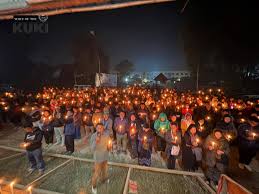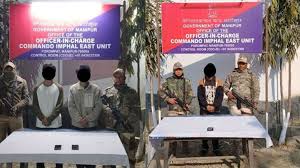
The recovery of six bodies after nearly 24 hours of search operations by Manipur Police, CRPF, and Assam Rifles has once again brought the fragile situation in Manipur’s hill districts into sharp focus. The deceased were reportedly among those missing after the killing of three Kuki pastors earlier this month, deepening fears of escalating ethnic violence in the region.
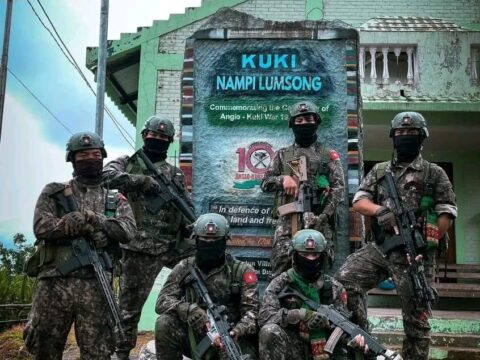
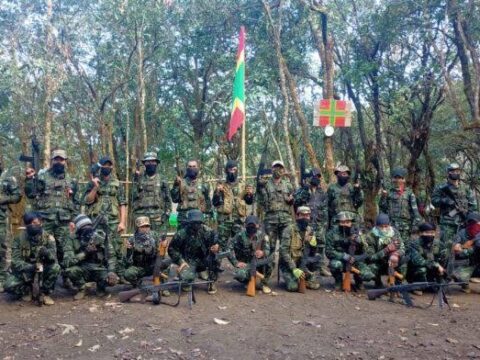
The tragedy is painful for every community involved. Every life lost — Kuki or Naga — is a matter of grief and concern. However, from the perspective of the Kuki community, another troubling reality also deserves attention. Over the last four months, at least 12 Kukis, including an unborn child, have reportedly lost their lives in separate incidents allegedly involving Naga militants, while dozens of houses were also burnt in attacks on Kuki villages.
The incidents occurred across multiple locations, including Litan, Mulam-Shongphel, the Kotzim-Kotlen route, Loibol Khullen, and Lasan. Among the victims were civilians, villagers, and church leaders. Particularly disturbing was the June 5 Loibol Khullen incident, where four lives, including that of an unborn child, were lost.
In numerical terms, the Kukis have suffered heavily in the recent cycle of violence. The repeated killings within a short span of time have created widespread fear and insecurity among Kuki villages in the hill districts. At the same time, Naga communities too have suffered losses, with reports indicating that six Nagas have also lost their lives during the same period. The continuing violence is steadily widening mistrust between two communities that have coexisted for generations.
The latest developments have further complicated the future of inter-community relations in the hills. What may have initially appeared as isolated incidents are now being viewed as part of a dangerous and expanding pattern of retaliation and counter-retaliation. If the cycle continues unchecked, the consequences could become far more devastating for both sides.
At this critical moment, maturity and restraint are the need of the hour. Political leaders, tribal bodies, civil society organizations, and church leaders from both communities must act responsibly and prevent emotions from pushing the situation toward further confrontation. The government and security agencies too must ensure justice, accountability, and stronger preventive measures to stop further bloodshed.
Any further escalation will be costly — not only for the Kukis, but also for the Nagas. The hills of Manipur have already endured years of instability and division. Another prolonged ethnic conflict will only bring more death, displacement, and suffering to ordinary people on both sides.
The latest recovery of six bodies should therefore serve not merely as another tragic headline, but as a warning that the situation is approaching a dangerous turning point. Peace, dialogue, and responsible leadership are now more urgent than ever.