Litan: The Kuki CSO Working Committee (WCKCSOs), Ukhrul, has launched a scathing attack against the Coordinating Committee on Manipur Integrity (COCOMI) and the Indigenous People’s Forum Manipur (IPFM), accusing the organisations of orchestrating a “coordinated propaganda campaign” aimed at destabilising Kuki-inhabited areas in Ukhrul and Kamjong districts.
In a le lengthy press statement issued last Sunday, under the title “Unmasking COCOMI and IPFM: Coordinated Propaganda and Targeted Destabilisation in Ukhrul–Kamjong,” the committee alleged that recent visits and activities carried out by the two organisations in the Namlee, Wanglee, and Choro areas were not genuine peace initiatives, but deliberate attempts to deepen ethnic divisions and provoke hostility against the Kuki community.
The organisation claimed that COCOMI and IPFM have consistently promoted anti-Kuki rhetoric and therefore “cannot claim the mantle of peace.” According to the statement, these orchestrated visits were intended to intimidate vulnerable Kuki villages and legitimise narratives aimed at erasing the historical presence of Kukis from the ancestral lands of Ukhrul and Kamjong.
The Committee also cautioned the wider Naga public and civil society organisations against attempts by certain Tangkhul groups to project what it described as a “localised Tangkhul–Kuki issue” into a broader pan-Naga conflict. It warned that such communalisation could seriously destabilise inter-community relations and threaten peace among tribal communities.
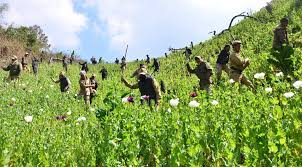
A major portion of the statement focused on security concerns in the border regions of Namlee, Wanglee, and Choro. The organisation described the areas as sensitive corridors historically associated with illegal timber smuggling, cross-border drug trafficking, militant movement routes, and activities of armed groups operating along the porous international border.
Instead of addressing these concerns, the Committee alleged that organisations such as COCOMI and IPFM were selectively targeting innocent Kuki civilians while communalising issues for political advantage. It urged the Government of India to expedite comprehensive border fencing and strengthen surveillance mechanisms to curb illegal infiltration, narco-terrorism, arms trafficking, and cross-border militancy.
The statement further accused COCOMI and allied organisations of remaining silent on alleged illegal cross-border movement involving Tangkhul elements from Myanmar and illegal Meitei settlers from Bangladesh and elsewhere, while persistently targeting Kukis. According to the Committee, this selective approach exposed what it termed a “coordinated propaganda campaign directed at one community.”
The organisation also questioned why large-scale combing operations and security crackdowns remain absent in Tangkhul-dominated areas despite repeated allegations of militant movement, insurgent shelter networks, arms transit routes, and other illegal activities. It argued that selective enforcement focusing mainly on Kuki areas has weakened public confidence in the neutrality of law enforcement agencies and counter-insurgency operations.
In one of the strongest accusations contained in the statement, the Committee criticised the National Investigation Agency (NIA) for allegedly failing to act against organisations like COCOMI, which it described as an “overground propaganda platform” linked to narratives associated with CorCom-affiliated Meitei secessionist groups. The Committee alleged that repeated inflammatory statements, misinformation campaigns, and open incitement against Kukis had significantly worsened ethnic tensions in Manipur.
The role of IPFM also came under sharp criticism. The organisation alleged that IPFM had become a “bogus platform” being misused by certain individuals, including Ashang Kasar, to spread anti-Kuki propaganda and divisive narratives. The statement referred to previous allegations that Ashang Kasar had forged the signature of Rohan Philem, an accusation that was later reportedly publicly acknowledged by Philem himself.
The Committee further asserted that the historical realities of Ukhrul and Kamjong cannot be erased through propaganda. Citing demographic data, it claimed that Kukis constituted approximately 49.7 percent of Ukhrul’s population in 1947, but by 2011 their population had declined drastically to around 5 percent. The Committee said this raised serious questions about decades of intimidation, displacement, marginalisation, and systematic exclusion faced by the Kuki people in the region.
The statement also condemned the repeated branding of Kukis as “foreigners” by extremist Meitei organisations and their affiliates, arguing that such rhetoric undermines coexistence and communal harmony in Manipur. It alleged that selective propaganda and hate campaigns were contributing to the normalisation of ethnic cleansing narratives against minority communities.
Referring to recent remarks made by the Manipur Home Minister, the Committee noted that the incidents in Namlee, Wanglee, and Choro had reportedly not been classified as acts of external aggression. However, it accused organisations like COCOMI and IPFM of continuing to circulate fabricated narratives that contradict official findings and further inflame tensions.
The Kuki CSO Working Committee urged the Government of India, the Ministry of Home Affairs, the National Investigation Agency, and the Government of Manipur to immediately initiate legal action against organisations and individuals accused of spreading hatred, provoking ethnic unrest, amplifying extremist propaganda, and threatening communal harmony.
The organisation maintained that the Kuki people desire peace, coexistence, and justice, but warned that lasting peace cannot prevail so long as intimidation, communal propaganda, and targeted hate campaigns against minority communities continue unchecked.