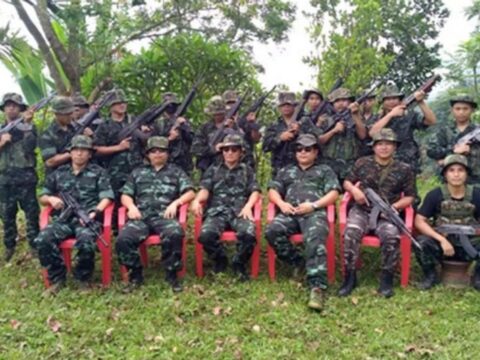
The Village Volunteer Eastern Zone (VVEZ), Kuki-Zo-Gam, on Wednesday said it had targeted the NSCN-IM Eastern Flank and its allies in areas including Namlee, Vangle, and Choro on 7 May 2026, following what it described as a “troubling escalation” in the ongoing Kuki-Meitei ethnic conflict.
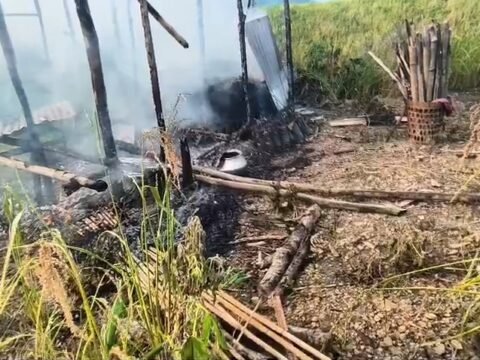
In a press statement dated 7 May 2026, VVEZ said the action was in response to the burning of Lanchabi Kuki Village in Kamjong District on 2 May 2026, which it attributed to the NSCN-IM faction. The group stated that it “retreated quickly after engaging in a brief exchange of fire.”
VVEZ said it has “no intention of engaging in hostility or confrontation with any other community” but expressed concern over “repeated acts of aggression allegedly carried out by the NSCN-IM faction, particularly its Eastern Flank, against the Kuki community in Ukhrul and Kamjong districts.” It alleged that such actions were aimed at consolidating political influence and public support “at the expense of innocent civilians, communal harmony, and regional stability.”
The statement further claimed that VVEZ had obtained “credible evidence” of about 30 cadres of NSCN-K (AY) being deployed in Namlee and Kangkum to support the NSCN Eastern Flank. It also raised concerns that “Myanmar-based SNA elements have extended operational assistance” against the Kuki community, and urged authorities to investigate “thoroughly and impartially.”
VVEZ reiterated that it remains committed to safeguarding “the security, dignity, legitimate rights, and ancestral lands of the Kuki people” in Ukhrul and Kamjong districts. It called on the NSCN Eastern Flank to “immediately cease all forms of targeted campaigns, intimidation, and hostile actions” against the Kuki community.
The group emphasized that the Kuki community “does not seek enmity with the Tangkhul community or with any other community,” and said it stands for “peaceful coexistence, mutual respect, justice, and stability.” At the same time, it cautioned that “continued acts of aggression, provocation, and violence will inevitably deepen tensions” and destabilize inter-community relations in the region.