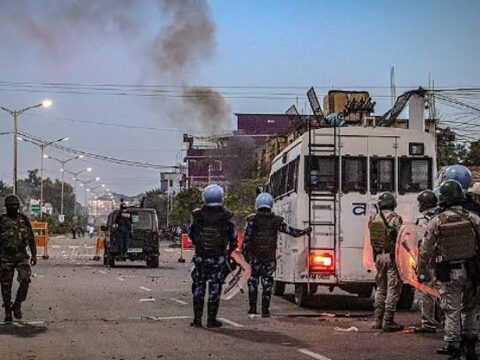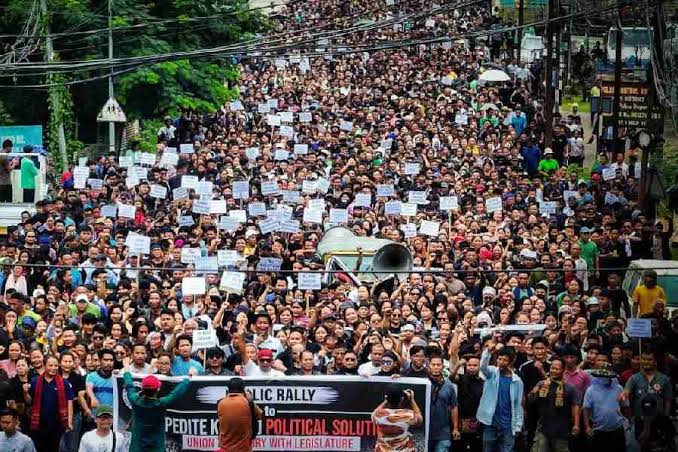
Lamka: The Kuki Christian Leaders’ Forum (KCLF) has appealed for peace, reconciliation and restraint amid rising tensions between the Kuki and Tangkhul communities in Manipur, stressing that both communities share the same Christian faith and should work toward unity rather than conflict.
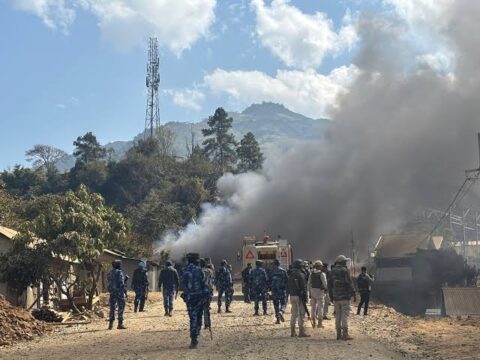
In a press statement issued today, the forum expressed deep concern over the recent unrest reportedly triggered by a misunderstanding in Litan Sarei Khong village, which it said had gradually escalated and disturbed peace in the region. The organisation described the situation as “truly saddening” and called upon all communities to embrace the values of love, forgiveness and mutual understanding.
The KCLF particularly appreciated the intervention and peace initiatives undertaken by Christian leaders and organisations from Nagaland, including the Nagaland Joint Christian Forum (NJCF), the Naga Council Dimapur (NCD), and the Fellowship of Naga Baptist Associations (FNBA). The forum said these organisations had shown exemplary commitment toward reconciliation and peace-building during a critical period.
The statement noted that May 7, 2026 marks the 116th year of Christianity in Southern Manipur, commemorating the arrival of the Gospel in the region in 1910. The forum said the historic milestone should serve as a reminder of the enduring legacy of faith, unity and reconciliation embraced by earlier generations. It lamented that communities sharing the same faith had become divided by conflict and urged people to return to the foundations of Christian brotherhood and peace.
Referring to appeals made by church organisations in Nagaland, the KCLF urged members of the Kuki community to comply with the call for cessation of violence and hostilities. It cited appeals issued by the NJCF through local media on May 4, as well as statements by the NCD and FNBA published in the Nagaland Post on May 6, advocating immediate peace efforts and dialogue between the communities.
The forum reiterated the FNBA’s observation that continued violence would only intensify suffering, erode trust and obstruct the possibility of a peaceful future. It maintained that confrontation and force could not provide a lasting solution to the crisis and instead emphasised dialogue as the only viable platform for addressing grievances and achieving mutually acceptable solutions.
In an important appeal aimed at easing communal tensions, the KCLF stressed that not all members of the Tangkhul community were involved in the violence. It acknowledged that many Tangkhul individuals and leaders continued to uphold Christian values of love, forgiveness and reconciliation and stood alongside peace-loving citizens seeking harmony and coexistence.
The statement also praised the role played by the Naga Council Dimapur during the Kuki-Naga conflict of the 1990s and urged the organisation to continue promoting peace, restitution and reconciliation during the current crisis. According to the forum, the NCD’s appeal to leaders and citizens from both Kuki and Tangkhul communities to end the cycle of violence was both timely and necessary.
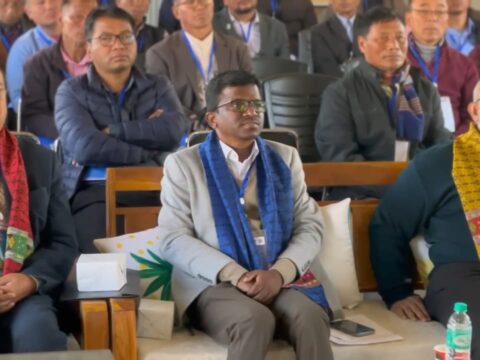
KCLF further appreciated the initiative of the Nagaland Joint Christian Forum in convening church and civil society leaders from both communities in Kohima on May 4 for discussions aimed at peace-building. The forum highlighted the NJCF’s appeal for both communities to observe a cessation of violence from May 5 to July 5, describing the proposed two-month period as an opportunity for reconciliation, healing and rebuilding mutual trust.
The Kuki Christian Leaders’ Forum stated that the Kuki community had accepted the appeal in good faith and desired peaceful coexistence with all communities irrespective of caste, ethnicity or religion. It expressed hope that the intervention of church leaders across Northeast India would help restore trust and peace among the conflicting groups in Manipur.