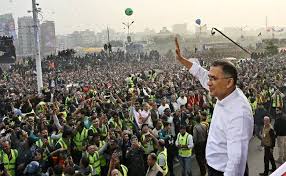
Venezuela’s acting president, Delcy Rodríguez, reiterated on Sunday that the deep‑rooted differences between Caracas and Washington over recent geopolitical tensions must be resolved through dialogue and diplomatic engagement rather than through force. Rodríguez made the remarks during a speech to oil workers at the Puerto La Cruz refinery in the northeastern Venezuelan state of Anzoátegui, where she emphasized that her administration intends to engage with the United States “face to face” using what she described as Bolivarian diplomacy — a reference to Venezuela’s long‑standing political doctrine rooted in the legacy of former leader Hugo Chávez.
Speaking from the refinery on Sunday, Rodríguez affirmed that Venezuela would not be intimidated by external pressure and maintained that “peace and stability” should unify the Venezuelan people as the country navigates a period of intense political and diplomatic flux. She stressed that her government seeks to address disputes sustainably through established diplomatic channels rather than military confrontation, signaling a preference for political negotiation despite the high tensions.
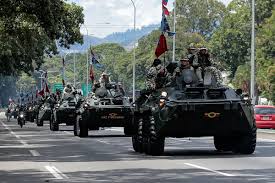
Rodríguez also referred directly to the dramatic and contentious events of January 3, when the United States launched a large‑scale military operation against Venezuela’s capital, Caracas, during which U.S. forces struck strategic locations and captured Venezuela’s president, Nicolás Maduro, and his wife, Cilia Flores. Venezuelan authorities characterize the incident as a violation of national sovereignty and an act of aggression, and Rodríguez noted that Venezuela “never imagined” a South American capital would be subjected to a foreign military attack.
In her address, Rodríguez called for national unity and urged Venezuelans to resolve their internal political differences through domestic political dialogue, explicitly rejecting external interference in the country’s internal affairs. She was quoted as saying, “Enough of orders from Washington to politicians in Venezuela,” insisting that Venezuela must decide its own future and resolve conflicts without foreign imposition.
The acting president’s remarks come amid ongoing international diplomatic efforts — including exploratory talks on re‑establishing formal ties between Venezuela and the United States after the military incident and subsequent geopolitical fallout. These diplomatic overtures involve visits by U.S. officials to Caracas and discussions between global leaders aimed at de‑escalating tensions and finding pathways toward normalization.
Rodríguez’s stance underscores a complex balancing act: while she maintains a firm public rejection of what her government views as undue U.S. influence and interference, she also places emphasis on engaging Washington through diplomatic mechanisms to settle disputes and reduce the risk of further conflict. In calling on Venezuelans to maintain unity in the face of external pressure, she reiterated that resolving political disagreements domestically and preserving national sovereignty remain central to Venezuela’s approach going forward.