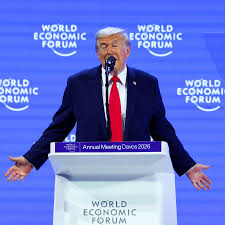
Amid mounting global tensions involving Venezuela and Iran, cautious optimism surrounds the proposed meeting between US President Donald Trump and Chinese President Xi Jinping in Beijing in April 2026. Such an engagement could potentially temper Washington’s aggressive and predatory policy posture. A Trump–Xi détente may also help reduce risk-taking in the Taiwan Strait and encourage Beijing to reassess its stance on the Ukraine conflict.
In 2025, Trump accepted Xi’s invitation to visit Beijing the following year. According to US media reports, the outreach was initiated by Xi. This followed an earlier Trump–Xi meeting in Busan, South Korea, on October 30, which the US President described as “highly successful.” The Busan talks took place against the backdrop of escalating retaliatory tariffs and appeared to ease bilateral tensions, including those heightened by a war of words between China and Japan over Taiwan.
While the Busan meeting and subsequent leader-level engagements are widely viewed as a temporary truce—particularly on the economic front—they do little to resolve the deeper structural issues underpinning US concerns about China’s rise. Fresh pressure could also emerge following Beijing’s warning that it may impose retaliatory tariffs if Washington proceeds with a proposed 25 percent tariff on countries trading with Iran. China, like several others, remains a major importer of discounted Iranian oil.
Notably, the evolving Trump–Xi dynamic carries implications for India as well. Trump’s tariff shocks, delays in concluding a US–India trade agreement, and a perceptible diplomatic chill have unsettled what was once a promising strategic partnership. These developments have, in turn, nudged New Delhi toward efforts to stabilise relations with Beijing.
In this context, a Communist Party of China delegation arrived in New Delhi on January 11—the first since the 2020 Galwan Valley clashes—and met BJP leaders on January 12 and RSS officials on January 13. Indian National Security Adviser Ajit Doval is also expected to visit China soon, though dates have yet to be announced. Together, these steps are keeping diplomatic channels open as both sides seek progress on the long-standing and contentious border dispute.