Nearly three years after Manipur was engulfed by one of the gravest episodes of ethnic violence in its history, the formation of a new government has finally taken place. On paper, this moment should signal a return to constitutional normalcy. In reality, it has been met with widespread scepticism, silence, and even outright rejection from large sections of the population. The long-delayed government has arrived not as a symbol of healing, but as a reminder of how deeply fractured the state remains.
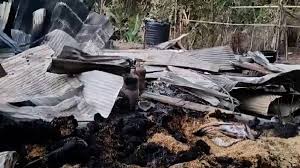
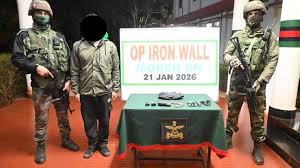
Since violence erupted in May 2023, Manipur has existed in a condition of prolonged political paralysis. Thousands were displaced, hundreds lost their lives, and entire communities were segregated behind physical and psychological barriers. During this period, the absence of credible political leadership only deepened public despair. The Centre’s prolonged reliance on administrative measures and security deployments, without a parallel political roadmap, created a vacuum of trust that has yet to be addressed.
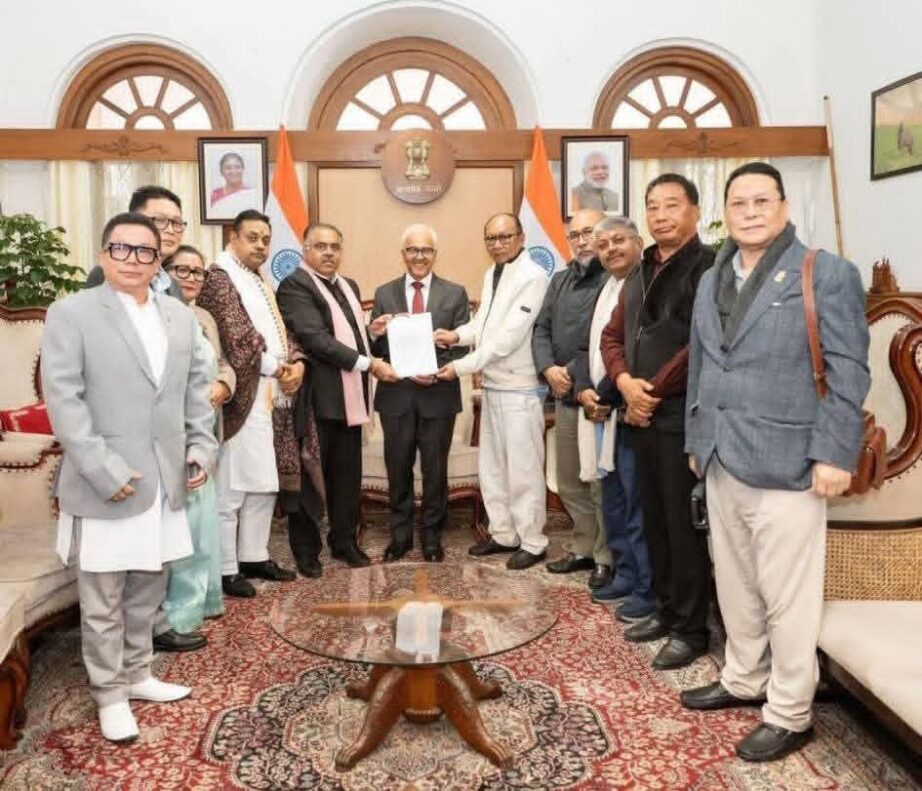
Against this backdrop, the new dispensation led by Chief Minister Yumnam Khemchand Singh, with Deputy Chief Ministers Nemcha Kipgen and Losi Dikho, faces an uphill task. Its legitimacy is questioned not merely because of political arithmetic, but because it has emerged without meaningful public consultation or consensus-building. For many victims of the violence, the formation of government feels procedural rather than restorative.
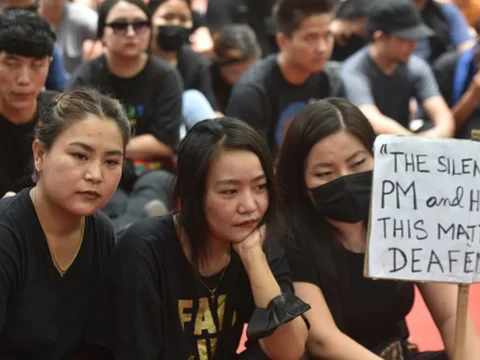
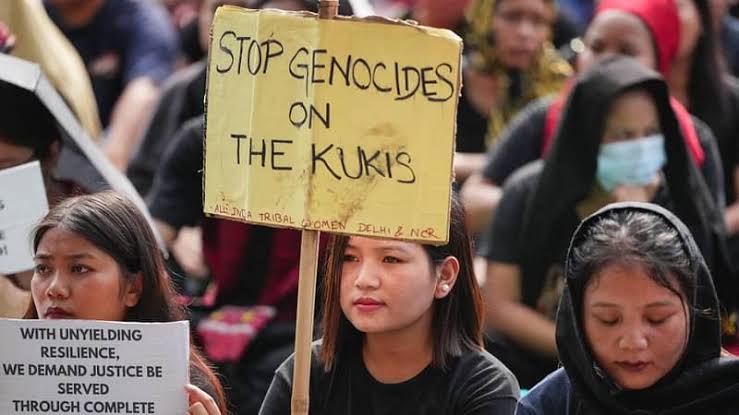
What makes this government “not so popular” is not simply the timing, but the unresolved moral and political questions hanging over it. There has been no comprehensive accountability for the violence, no transparent truth-seeking process, and no credible assurance of justice for survivors. Communities that remain displaced or confined to relief camps see little reason to celebrate a political transition that has not addressed their lived realities.
Moreover, the absence of a clear reconciliation framework threatens to render the new government ineffective. Governance in a post-conflict society demands more than routine administration; it requires empathy, courage, and a willingness to confront uncomfortable truths. Without these, the government risks being perceived as an extension of the status quo rather than a break from it.
Ultimately, stability in Manipur cannot be manufactured through swearing-in ceremonies alone. Popular legitimacy must be earned through sincere engagement, justice, and inclusive dialogue. Until then, this government may function constitutionally—but in the hearts and minds of many, it remains a government without a mandate, struggling to govern a state still searching for peace.