Kaybie Chongloi |
Amid Manipur’s prolonged social and ethnic unrest, a two-day Workshop on Interfaith Cooperation for Empowerment and Life Transformation concluded at Oasis College, Kangpokpi, reinforcing dialogue, education, and ethical leadership as critical pillars for peace and reconciliation.
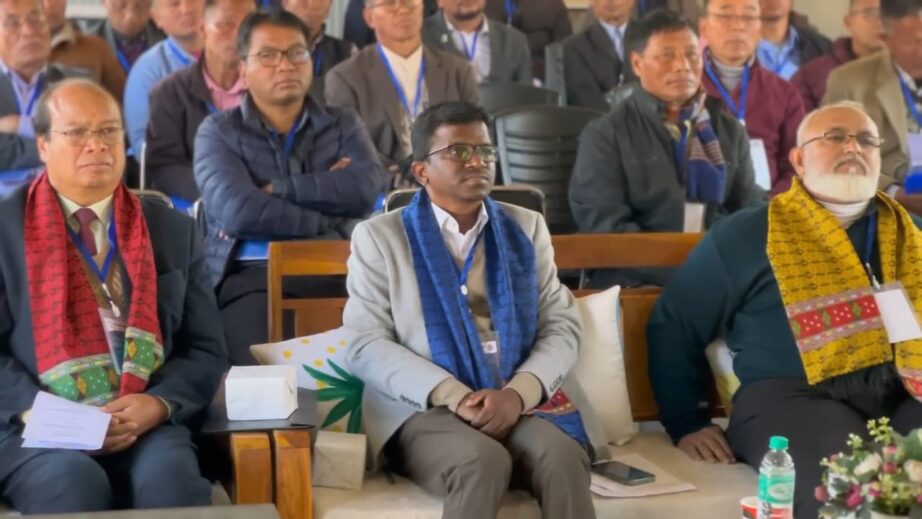
The workshop was organised by the India Peace Centre, Nagpur, in collaboration with Oasis College from January 22 brought together faith leaders from Christian, Muslim, and other religious communities, along with educators and civil society representatives, to promote social harmony, inclusive development, and sustained interfaith engagement.
The programme opened with an invocation prayer led by Rev. Satkai Chongloi, setting a reflective and purposeful tone. Dr. Thathang Vaiphei, Chairman of Oasis College, delivered the welcome address, outlining forward-looking three-year vision to conduct the programme twice annually with focused participation, aimed at nurturing church and faith leaders as messengers of interfaith cooperation while simultaneously promoting sustainable livelihood initiatives at the grassroots.
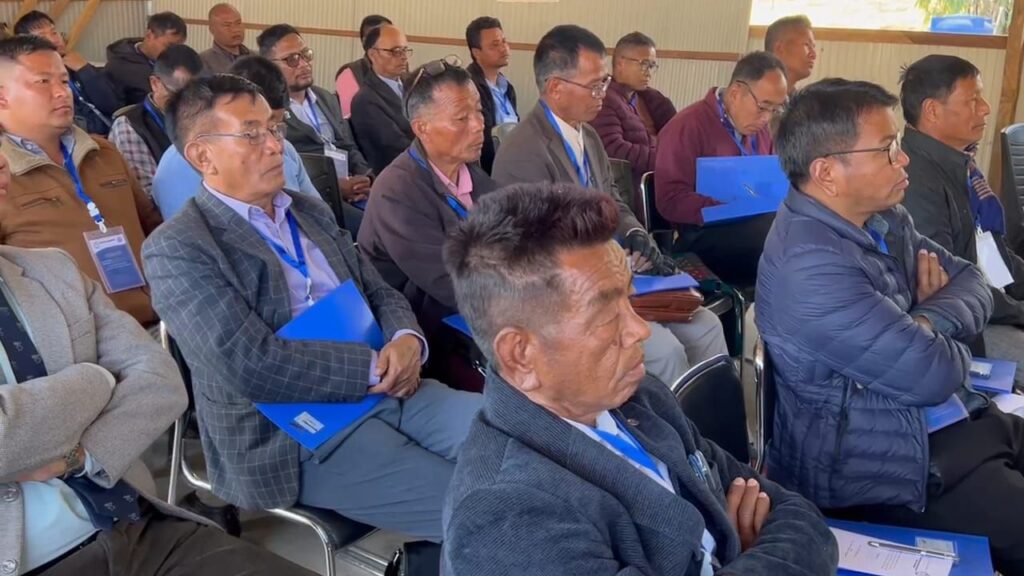
Delivering the keynote address, Mr. Angelious Michael of the India Peace Centre, Nagpur, drew from his extensive peacebuilding experience in post-conflict contexts across Northeast India. He highlighted confidence-building, humility in leadership, and cross-faith collaboration as essential for lasting peace in conflict-affected regions.
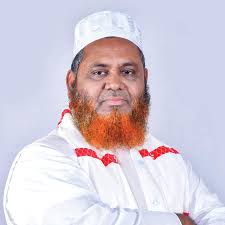
The technical sessions featured insightful presentations by Rev. T. Karang Maram, former Director (Peace and Development), MBC; Abdul Halim, President, Jamaat-e-Islami Hind, Manipur; and other resource persons. Discussions centred on faith-based community development, economic empowerment, peacebuilding, and inclusive citizenship, with repeated emphasis on local capacity-building, sustainable livelihood models, SMART goal-setting, and ethical leadership.
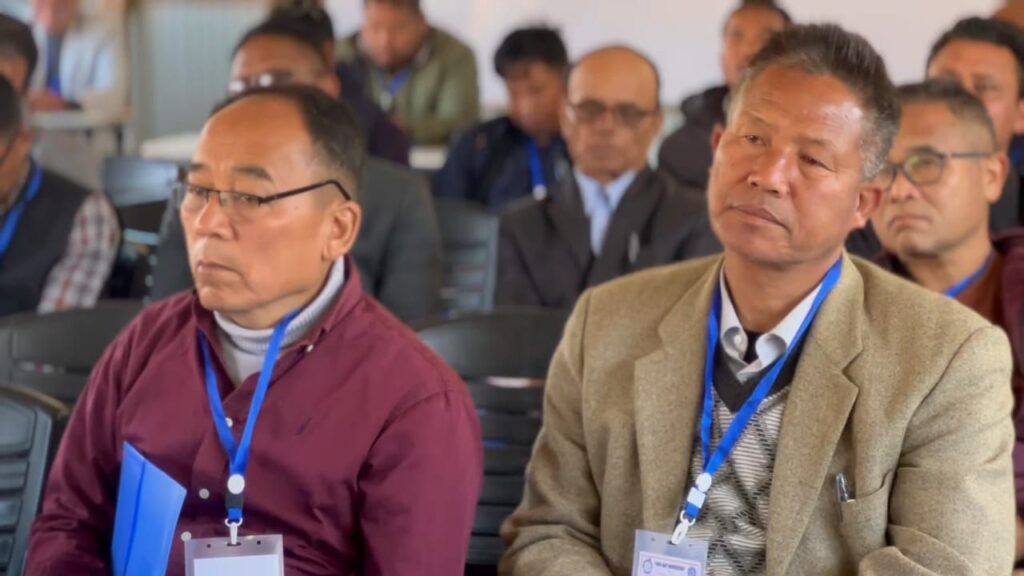
During the first moderated by Dr. Satkai Chongloi, Rev. T. Karang Maram urged communities to move from dependency to active participation through Self-Help Groups, micro-businesses, agriculture, and skill development. He called on pastors and faith leaders to become peace-makers and community workers, stressing collective action and strategic planning through SMART goals and SWOT analysis.
The second session moderated by Sem Haokip, featured Abdul Halim on Promoting Social Harmony and Inclusive Citizenship through Interfaith Action. Emphasising that “diversity is a reality, harmony a necessity, and action a responsibility,” he drew on constitutional values and religious teachings to highlight justice, fraternity, and the sanctity of life as foundations for peace.
The third session moderated by Dr. Thathang Vaiphei, again featured Rev. Maram, who spoke on Economic Empowerment and Livelihood Support through Faith-Based Partnerships, advocating community-driven, training-led initiatives supported by NGOs and civil society organisations.
The concluding day on January 23 focused sharply on the psychological and social roots of conflict. The first session, “The Awful Power of Prejudices: Bitter Roots,” was moderated by Dr. Kimneijoy Rosy Lotjem, Assistant Professor, TC College, and addressed by Sem Haokip, Goodwill Ambassador of Oasis College. Through interactive exercises and real-life illustrations, Haokip demonstrated how unconscious bias and stereotypes silently shape attitudes and escalate conflict. He warned that while disputes are often framed around land or resources, prejudice remains the most dangerous and enduring trigger of violence, calling education the most powerful long-term antidote.
Drawing from his peace engagements across Manipur, Rev. Simon Raomei, President of the All Manipur Christian Organisation highlighted the critical role of youth leadership in peacebuilding, stressing inclusive representation, mutual respect, and learning across cultural and linguistic boundaries. He noted that while youth are often the most affected by conflict, they are also the strongest agents of reconciliation.
A concluding group discussion titled “How Do We Look at Each Other?” allowed participants to openly reflect on mutual perceptions and engage in honest self-critique. The workshop adopted key recommendations, including the inclusive participation of traditional and faith leaders, focused dialogues on pressing social issues, the creation of a common reconciliation platform, and sustained interfaith engagement at community levels.
The workshop concluded with a renewed commitment to continued dialogue, joint action, and long-term collaboration. Participants unanimously affirmed that honest dialogue, empowered youth, and values-based education are essential pathways toward reconciliation and enduring peace in Manipur.