The Garoland State Movement Committee (GSMC) has passed a series of contentious resolutions imposing restrictions on non-tribal residents in the Garo Hills, including limits on business, employment, voting rights, and access to identity documents. The decisions were made at a Central Executive Committee meeting held in Tura on January 10.
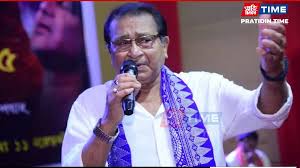
The meeting was chaired by Acting Chairman Balkarin Ch. Marak, who focused on tribal rights and constitutional safeguards under the Sixth Schedule. Co-Chairman Jakrak A. Sangma delivered the welcome address, while Ryan Ch. Marak spoke about the evolving character of Tura. General Secretary Tony Tojrang B. Marak concluded the meeting with a vote of thanks. Following the session, the GSMC issued a press release confirming that all resolutions were discussed in detail and adopted unanimously.
Key resolutions included:
-
Opposition to non-tribals engaging in business in Tura and restricting their entry into the Garo Hills.
-
Age-based restrictions on identity documents: residents of A•chik A•song and Sixth Schedule areas can obtain Election Photo Identity Cards (EPIC) only between ages 18 and 20, while non-tribals would have a two-year eligibility window. Non-tribal children could obtain Aadhaar cards only between ages three and eight.
-
Calls for the abolition of municipalities in the Garo Hills, citing Article 243(ZC) of the Constitution, and the withdrawal of a one-percent house construction charge collected by the Garo Hills Autonomous District Council (GHADC) for tribal residents.
-
Prohibitions on non-tribals working under the GHADC or participating in GHADC elections.
-
Exclusive allocation of government and development contracts to tribal Garos, with a demand to cancel existing non-tribal contracts in accordance with the State Reservation Policy.
-
Action against violations of the Benami Transactions (Prohibition) Act, 2016, and concerns about non-objection certificates for non-tribals conducting business in Tura.
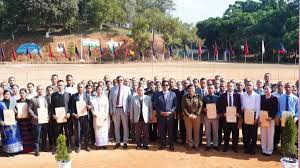
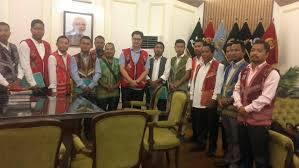
The meeting was attended by local leaders, civil society members, and representatives from organizations including the New Tura Development Forum, All India Garo Union, A•chik State People’s Front, and All A•chik Youth Welfare Society.
The GSMC’s resolutions are expected to spark political and legal debate, particularly regarding their constitutional validity and potential impact on inter-community relations in Meghalaya’s Sixth Schedule areas.